New! Patiently™ by FSA & HSA Store®: Use pre-tax dollars for weight loss treatment. | Get started today


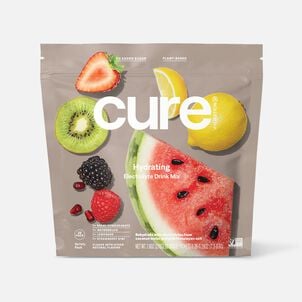
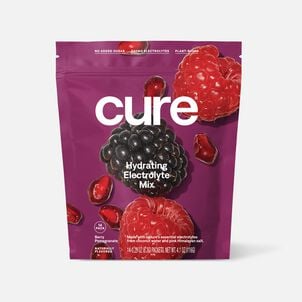
At first glance, vitamins and supplements seem like natural candidates for FSA- and HSA eligibility. They are designed to fill "gaps" in the average diet, and maybe offset minor nutritional deficiencies along the way -- yes, even those related to larger health problems.
But the IRS does not consider most vitamins and supplements as automatically eligible with an FSA/HSA. Internal Revenue Code 213(d) defines medical care as amounts paid for:
"The diagnosis, cure, mitigation, treatment, or prevention of disease, or for the purpose of affecting any structure or function of the body."
And this is where the arguments start. Arguments such as...
"My vitamins are necessary! Why am I being punished?"
Vitamins are a great example of a product that is considered “dual purpose” in that they can either be for medical or general good health purposes. Daily multivitamins are used to promote better health and well-being, but because there's no specific medical condition that is helped by using multivitamins, they fall outside the accepted qualifications for FSA- and HSA- eligibility.
Is there a medical basis for needing a multivitamin? Sure - it's for your health, after all. But promoting general well-being and treating a specific condition are two very different things in the eyes of the IRS.
In the past, we've used toothbrushes and floss as a good comparison point for the vitamin debate, and it still holds up. Though we all know proper dental cleaning is necessary for all-around health and wellness, using a toothbrush and floss has not been identified as having a direct role in treating or solving the specific medical condition.
"My vitamins are eligible? How did that happen?"
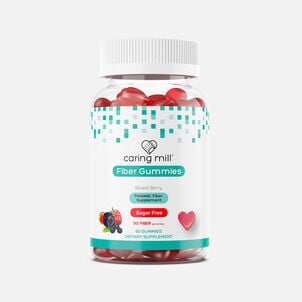
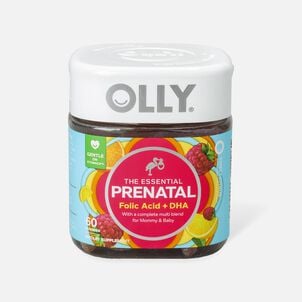
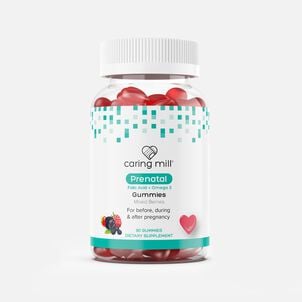
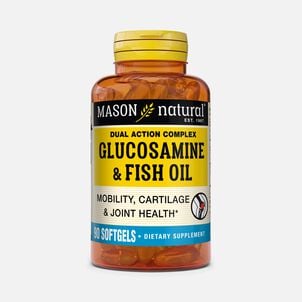
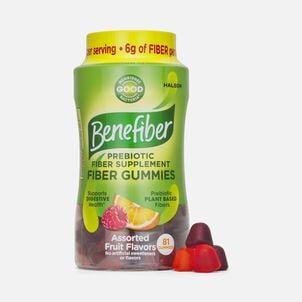
Though multivitamins are likely the most-popular OTC supplement, most vitamins and supplements can only be reimburse through an FSA with a Letter of Medical Necessity (LMN) from a doctor or other medical practitioner, outlining how the supplement would be used to treat a specific medical condition. However, there are three exceptions that are automatically eligible: prenatal vitamins, glucosamine/chondroitin supplements and certain fiber laxative supplements.
I think we can all agree prenatal vitamins meet the IRS requirements for eligibility, since they have shown to prevent birth defects and boost fetal development in ways that most modern diets can't quite seem to achieve.
Likewise, glucosamine/chondroitin supplements are extremely popular at FSAstore.com and HSAstore.com because of their proven benefits for treating arthritis.
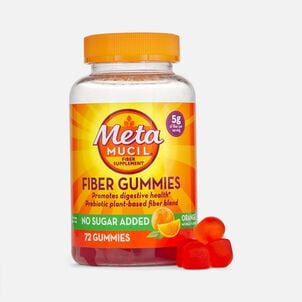
Fiber laxative supplements (with no added ingredients) used for constipation and bowel regularity are typically eligible.
Because the above exceptions have proven value in treating specific needs and conditions, they can be purchased with tax-free health dollars, and without any written approvals from physicians. However…
"Is there any chance they'll make an exception?"
We obviously can't answer that here. But if a doctor other medical practitioner determines your body needs a specific vitamin supplement -- even if it falls outside of regular FSA or HSA parameters -- then a Letter of Medical Necessity might do the trick.
The letter will need to be detailed in explaining why these specific products will benefit you, and how long the expected use will be (such as the duration of specific treatment). It's not a guarantee by any means, but a well-presented case made to your benefits administrator can go a long way toward getting the supplements you need, on a tax-free basis.
--
New to FSAs? Need a refresher course in all things flex spending? Our weekly Flex-Ed column gives you a weekly dose of FSA Living 101, offering tips for making the most of your tax-free funds. Look for it every Thursday, exclusively on the FSAstore.com Learning Center. And for the latest info about your health and financial wellness, be sure to follow us on Facebook, Instagram and Twitter.