What Can I Buy With My FSA Card?

Key takeaways
- Your FSA card works a lot like a debit card, with one important difference.
- Eligible spending goes well beyond the pharmacy counter.
- No FSA card? You can still shop and get your money back.
- One plan document can answer most of your questions about what's covered.
If you've just enrolled in a Flexible Spending Account (FSA), you may be holding a new card and wondering what it can do. You're putting pre-tax dollars toward your health, so this is your chance to make your move and put that money to work. Here's an FSA 101 guide to how your card works, what it covers, and what to do if your plan doesn't include an FSA card.
How your Flexible Spending Account works
Your FSA card lets you access your FSA funds easily. It's much like a regular debit card, except you use it only for qualified medical expenses that qualify under your FSA. Some employers offer an FSA debit card for use at certain retailers and health care providers, and you can always use it at FSA Store®.
When you pay with an FSA debit card, qualified charges are automatically deducted from your FSA. You don't have to wait for reimbursement. The IRS sets the rules for what counts as an eligible expense, and your employer's plan determines which of those out-of-pocket health care costs your account covers. These may be FSA eligible products such as breast pumps and prescriptions, or eligible services such as chiropractic care. For a detailed guide, take a look at our FSA Eligibility List®.
Sometimes you may need to show receipts to your FSA administrator, even after paying with your FSA debit card. This usually happens when it's unclear whether an expense is FSA eligible, so it's a good habit to keep your receipts.
Ways to use your FSA card
Your FSA can be used for more than you might expect. Eligible expenses include "insurance copayments and deductibles, qualified prescription drugs, insulin, and medical devices."1 Here's a look at the main categories.
Everyday health products
Many over-the-counter products and medications qualify without a prescription, including menstrual care products such as tampons, pads, liners, and cups.2
At FSA Store®, popular FSA eligible categories include:
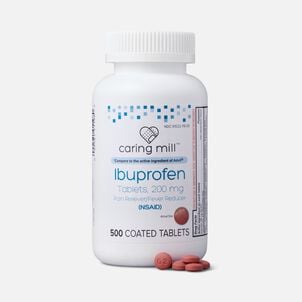
- Medicine & treatments (pain relief, cold and allergy medicine, and other over-the-counter medications)
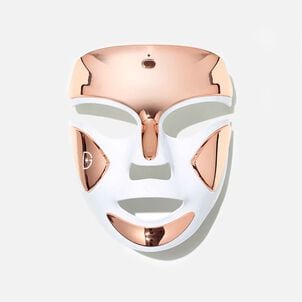
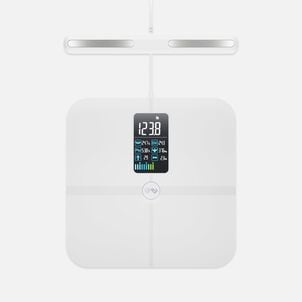
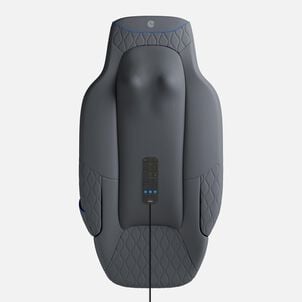
- Hi-tech health (wearable health trackers, light therapy devices, pain-relieving massage guns, EKG monitors)
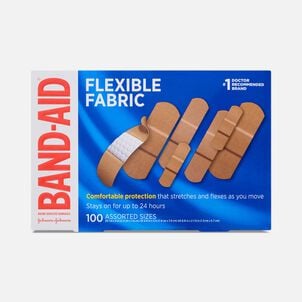
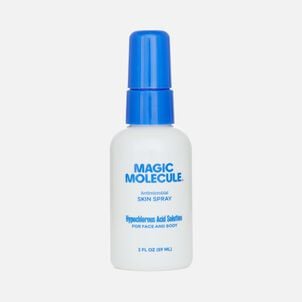
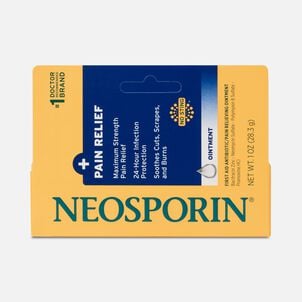
- First aid supplies (bandages, wound care, antibiotic treatments)
- Menstrual care (tampons, pads, menstrual cups)
- Suncare (sunscreens, SPF lip balms, and SPF body lotions)
- Baby & mom (pregnancy and postpartum care, breastfeeding and pumping supplies, baby skin care, baby health monitors)
- Acne & skincare (red light therapy, acne treatments and patches, sunscreen)
- Family planning (condoms, emergency contraceptives, fertility trackers, ovulation and pregnancy tests)
- Vitamins & supplements (prenatal, fiber, glucosamine and chondroitin)
- Incontinence products (underwear, underpads, pads)
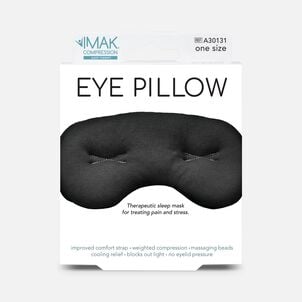
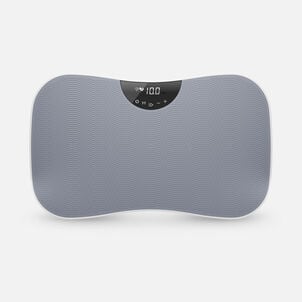
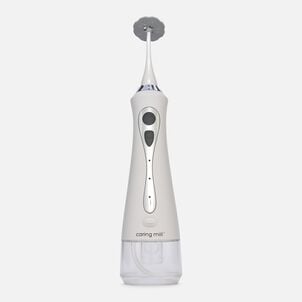
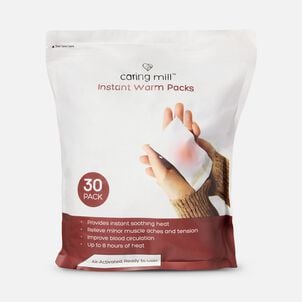
- Home health devices (thermometers, blood pressure monitors, pain relief devices)
Some products, such as certain supplements, may qualify only with a Letter of Medical Necessity (LMN) from your health care provider. Our FSA Eligibility List® always notes when an item requires one.
Health care services
Your FSA card can also cover many services from your providers, including telehealth care you can get from home. Popular FSA eligible telehealth and online care services include:
- Patiently™ by FSA & HSA Store® (clinically guided GLP-1 weight loss treatment, hormone replacement therapy for menopause)
- FSA Store® Optical (prescription glasses, sunglasses, and contact lenses)
- Daybreak (at-home sleep testing, CPAP-free sleep apnea solutions)
- BetterHelp (high-quality online therapy with licensed therapists)
- Rythm (a painless at-home blood test to track energy, hormones, and heart health)
- Wisp (same-day online prescriptions for sexual and reproductive health, available in all 50 states)
- Curex (prescription allergy drops delivered to your home)
- Fertility Cloud (virtual fertility care, including at-home testing and consultations with specialists)
Eligibility can vary by plan, so check with your FSA administrator before you book. For services from other providers, search our FSA Eligibility List® to see what qualifies.
Costs beyond FSA Store®
Your card isn't limited to shopping. You can also use it for:
- Copays and deductibles at your doctor's office
- Coinsurance for covered care
- Prescription medications at the pharmacy
- Dental visits and orthodontia
- Eye exams, prescription glasses, and contact lenses
- Chiropractic care, physical therapy, and other eligible treatments
Before you pay for a service, check that your provider accepts FSA cards. If not, you can pay another way and submit a claim to your FSA administrator for reimbursement.
Balance information and fees
There are no fees for using your FSA money, and there's no cost to you for opening an FSA.
You won't be able to use your FSA debit card unless you have enough funds available in your account. If you're not sure what your current balance is, check with your FSA administrator. They can answer all account-related questions about your FSA.
What if my FSA doesn't come with a card?
If your FSA doesn't come with a debit card, save your receipts and medical bills and give them to your account administrator. You'll also need to fill out some paperwork provided by the administrator. Then you'll be paid back from your FSA, typically by check or direct deposit.
You can shop at FSA Store® with or without an FSA debit card. Without one, simply use any major credit card, save your receipts, and submit your claims for reimbursement to your FSA administrator. We provide a receipt with every order for any claims you need to submit.
Your employer's Summary Plan Description (SPD) is the document that outlines your plan's rules, including which expenses are FSA eligible for your account. You can usually get a copy from your HR or benefits department, your employer's benefits portal, or your FSA administrator. To learn more, read How to Get FSA Reimbursement.
In summary
Your FSA card makes it easy to spend your pre-tax health care dollars on everything from over-the-counter medicine and first aid supplies to copays, dental visits, and eye care. If you don't have a card, you can still shop, save your receipts, and get reimbursed. Check your Summary Plan Description, keep an eye on your balance, and take your next step toward your best health with FSA Store®.
Thank you for visiting the FSA Store® Learning Center! Don’t forget to follow us for more helpful tips on Facebook, Instagram, and X (formerly Twitter).
References
- HealthCare.gov. "Flexible Spending Account (FSA) – Glossary." https://www.healthcare.gov/glossary/flexible-spending-account-fsa/
- Internal Revenue Service. "IRS outlines changes to health care spending available under CARES Act." https://www.irs.gov/newsroom/irs-outlines-changes-to-health-care-spending-available-under-cares-act