100% FSA ELIGIBLE
|FREE SHIPPING ON $50+
What are antipyretics?
Antipyretics, also referred to as fever reducers, are medications that reduce the body's temperature by overriding the body's immune response in the hypothalamus. The hypothalamus acts much like a thermostat for the body, which can respond quickly in the event that the body experiences a virus, bacterial infection, heat exhaustion, inflammatory conditions and more. Antipyretics are a means of treating both the pain and discomfort that most often comes with a fever, but also can aid in reducing the body’s temperature. (Mayo Clinic).
What are the most common antipyretics?
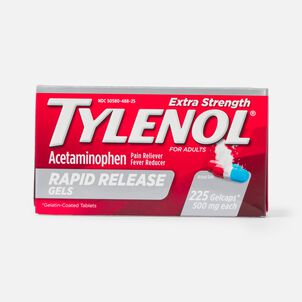
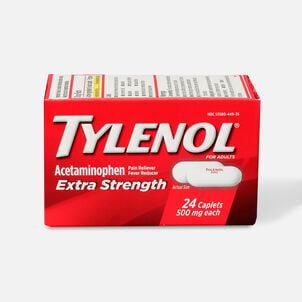
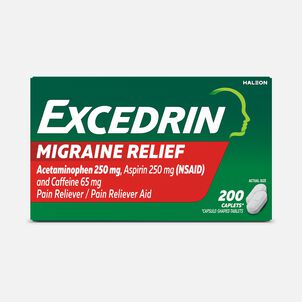
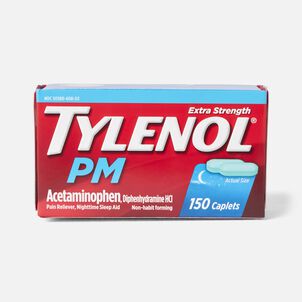
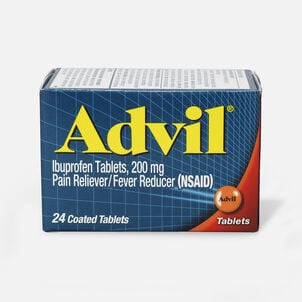
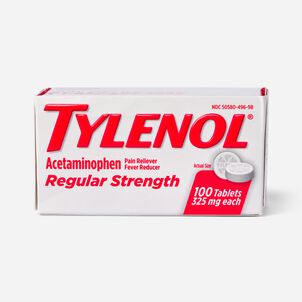
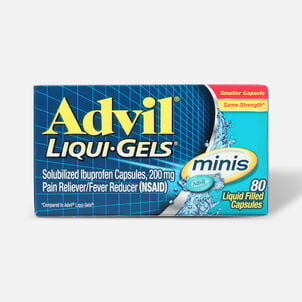
The most common antipyretics used throughout the United States were manufactured as over-the-counter pain-relievers, but contain chemical compounds that feature antipyretic properties. These medications include via MedicineNet.com:
Should fevers always be treated?
The conventional wisdom in regards to fevers has changed somewhat over the past several decades, as some medical experts now see fevers as a normal immune system response as a result of infections and other illnesses. While fevers that exceed 103 degrees Fahrenheit should be managed with some type of antipyretic, the body's response is valuable in treating infections. First, fevers spark the production of white blood cells and antibodies that protect against harmful microorganisms, and the higher temperatures make it harder for these microbes to survive and spread throughout the body. Unless it reaches severe temperature levels, treating the underlying cause of the fever rather than the fever itself is advisable to speed recovery times.