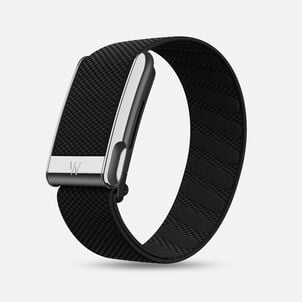
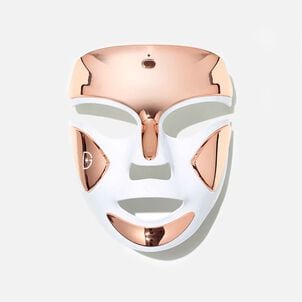
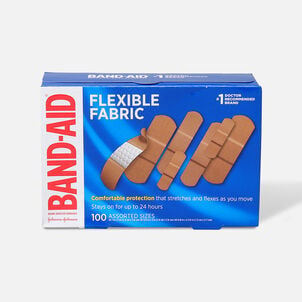
.png )
Key takeaways:
- Skincare products may be FSA eligible if they treat, cure, or prevent a medical condition.
- FSA eligible products include acne treatments, eczema treatments, psoriasis and rosacea relief, wart removal, sunscreen and sunscreen lip balm, retinoids, and medicated face cream.
- Certain items require a Letter of Medical Necessity (LMN) from a healthcare provider to become FSA eligible.
Acne patches. Eczema cream. SPF 15+ lip balm. You can pay for all of these items with your flexible spending account (FSA), an employer benefit that lets you set aside pre-tax money for healthcare costs.
But not everything in the skincare aisle makes the cut. This no-guesswork guide to FSA eligible skincare explains what qualifies.
Is Skincare FSA Eligible?
According to Internal Revenue Code Section 213(d), healthcare products and services are only FSA eligible if they diagnose, treat, prevent, or cure a medical condition.
Skincare products may be FSA eligible if they treat, cure, or prevent a medical condition. Products used for general skin health or primarily to improve appearance are not eligible.
FSA Eligible Skincare: What's Covered
Here’s a look at which types of skincare qualify. You might be surprised by how many products are FSA eligible.
Dermatology Visits
Your FSA may cover a dermatologist visit to diagnose or treat a skin condition, from acne to skin cancer. Depending on the service, you may need a prescription or a Letter of Medical Necessity (LMN)—more on that below.
Acne Treatments
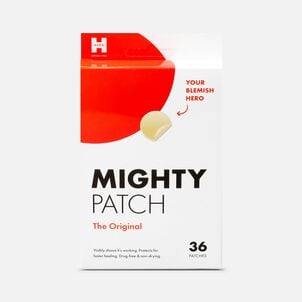
Acne medicine is FSA eligible, whether it's prescription or over the counter (OTC). That includes cleansers, gels, foams, wipes, and spot treatments with active ingredients like salicylic acid, benzoyl peroxide, sulfur, or azelaic acid. Pimple patches count, too.
Eczema Treatments
Your FSA may cover OTC eczema treatments, including eczema-relief creams, anti-itch creams with pramoxine, and hydrocortisone creams for flare-ups. If the product doubles as an everyday moisturizer, your benefits administrator may request additional documentation.
Psoriasis and Rosacea Relief
Creams and ointments meant to relieve psoriasis symptoms like itching, scaling, and flaking are FSA eligible. Medicated creams that treat rosacea symptoms also qualify.
Wart Removal
Wart removal is FSA eligible, whether done at home or in a doctor's office. OTC options include salicylic acid drops, gels, pads, and freeze sprays. Doctor-performed removal, such as freezing with liquid nitrogen or minor surgery, also qualifies.
Sunscreen and Sunscreen Lip Balm
An estimated 1 in 5 Americans will develop skin cancer in their lifetime. Daily sun protection lowers your risk, and your FSA can cover it. Broad-spectrum sunscreen with SPF 15 or higher is FSA eligible, as is lip balm with SPF 15+.
Retinoids
Retinoids—not to be confused with retinol—are a go-to acne treatment, and they're covered when used for that purpose. That includes prescription retinoids as well as OTC options like adapalene treatment gel. Retinol creams and serums sold for general skincare don't qualify.
Medicated Face Cream
Face creams that deliver medicine to treat a skin condition qualify as FSA eligible skincare. Look for ingredients like hydrocortisone, benzoyl peroxide, salicylic acid, coal tar, or retinoids. If the cream doesn't list a medicated ingredient, it's likely a regular moisturizer and doesn't qualify.
Eligible With a Letter of Medical Necessity
A few items fall into a gray area because you can use them for medical reasons or personal reasons. In these cases, a Letter of Medical Necessity (LMN) from your healthcare provider can help ensure your purchase is treated as FSA eligible skincare rather than a personal expense.
Aloe Vera
Aloe-based creams and ointments target specific skin conditions and can help reduce itching and pain from conditions like severe sunburn. They may qualify with an LMN, but only if they're primarily used to treat a medical condition. Personal use for general wellness doesn't qualify.
Humidifiers
A humidifier may be FSA eligible with an LMN if your provider recommends it to help treat or ease symptoms of a medical condition, such as asthma or allergies. Using one simply for dry skin may not qualify.
Scar Treatment
Scar treatment is often considered cosmetic, with notable exceptions: If a scar results from an illness, injury, or deformity, treatment may be eligible for FSA spending with an LMN. Acne scar treatment is considered cosmetic, so it doesn't usually qualify.
Skin Tag Removal
Skin tags are harmless growths that often appear where skin rubs against skin, like the neck or armpits. Removing one is usually considered cosmetic, but it may be FSA eligible if an LMN explains that the procedure is necessary to treat or ease the symptoms of a medical condition.
Popular Skincare Brands With FSA Eligible Products
Finding your trusted FSA eligible products in one place is simple. With over 2,500+ eligible products, FSA Store® lets you shop guaranteed eligible products from many of the most well-known skincare brands. Below is a product rundown.
CeraVe®
Developed with dermatologists, CeraVe® takes its name from ceramides, the skin-barrier ingredient found across its products. FSA Store® offers its acne cleansers and Salicylic Acid Acne Treatment Gel, Cleanser for Psoriasis Treatment, Itch Relief moisturizers, Healing Ointment, and a range of mineral sunscreens.
La Roche-Posay®
This French brand is a popular choice for sensitive skin. At FSA Store®, you’ll find the Effaclar acne line from La Roche-Posay®. It includes adapalene gel, plus Anthelios sunscreens.
Cetaphil®
Cetaphil® has been making gentle formulas for sensitive skin since 1947. FSA Store® offers its Gentle Clear acne line, Eczema Restoraderm creams, and Sheer Mineral SPF 50 sunscreens, plus a Baby Healing Ointment for your littlest family members.
Aquaphor®
Aquaphor® is best known for its Healing Ointment, a multipurpose staple for dry, cracked, and irritated skin. FSA Store® carries it in jars, tubes, balm sticks, and body sprays. It also offers an Aquaphor® baby line, including diaper rash cream.
Hero Cosmetics®
Hero Cosmetics® is probably best known for Mighty Patch™, its hydrocolloid pimple patches. The Mighty Patch™ line is available at FSA Store®, plus Hero’s Pore Release Blackhead Clearing Solution and Force Shield Superlight Sunscreen SPF 30.
What's Not Covered
Skincare products and services used mainly to improve appearance aren't FSA eligible, even with an LMN. Here are some common examples.
Skincare Services
Services focused on improving skin appearance, like facials, microdermabrasion, chemical peels, and laser resurfacing, aren't eligible. The same goes for cosmetic procedures like Botox® and fillers.
The exception is Botox® used to treat a medical condition, such as chronic headaches, which may qualify with an LMN.
Basic Skincare Supplies
Everyday products like regular cleansers, moisturizers, toners, serums, eye creams, and makeup removers don't qualify. Even if your dermatologist recommends a product, it's only
FSA eligible skincare if it treats or alleviates a medical condition.
Vitamins and Supplements
Skin, hair, and nail supplements like biotin aren't FSA eligible. Under IRS rules, vitamins and supplements taken for general health aren’t considered medical care unless a healthcare provider recommends them to treat a specific diagnosed condition.
How to Buy Skincare With Your FSA Card
The simplest route for purchasing FSA eligible skincare is to shop at FSA Store®, where everything from acne to suncare is guaranteed eligible, FSA cards are accepted, and purchases are auto-verified.
You can pay for a skincare purchase with your FSA card or pay with a debit or credit card and reimburse yourself later. If you plan to reimburse yourself, keep an itemized receipt. For items that require an LMN, keep a copy of it ready to send to your benefits administrator.
Wrapping Up
Over-the-counter skincare products—including those from well-known brands such as Aquaphor®, La Roche-Posay®, and Hero Cosmetics®—can be FSA eligible if they treat and manage a medical condition. In many cases, you can use the funds in your FSA account to purchase these products with no issue.
You may need a Letter of Medical Necessity from your healthcare provider for products that can be used for medical or personal reasons.
Get started with FSA Store® eligible skincare.
FAQs
Is Sunscreen FSA Eligible?
Yes, broad-spectrum sunscreen with an SPF of at least 15 can be FSA eligible. That includes lotions, sprays, and sticks. Lip balm with SPF 15+ also qualifies.
Is CeraVe® FSA Eligible?
CeraVe® has many FSA eligible skincare products. To be FSA eligible, a CeraVe® product must meet a medical need, like relieving psoriasis or acne.
Is La Roche-Posay® FSA Eligible?
Some La Roche-Posay® skincare products are FSA eligible, including its Anthelios sunscreens, Lipikar Eczema Soothing Relief Cream, and Effaclar acne treatments. FSA eligibility is contingent on the product treating a medical condition or relieving symptoms of one.
Is Moisturizer FSA Eligible?
Regular moisturizers generally aren't FSA eligible, since they're considered personal care. Exceptions include moisturizers made to treat medical conditions like eczema as well as moisturizers with broad-spectrum SPF 15+.
Is Cetaphil® FSA Eligible?
Several Cetaphil® products are FSA eligible, including the brand's Gentle Clear acne line, Eczema Restoraderm creams, and Sheer Mineral SPF 50 sunscreens. Everyday cleansers and moisturizers generally don't qualify. FSA eligible skincare must meet a medical need.
References
American Academy of Dermatology. (2025). Sunscreen FAQs.
Cornell Law School, Legal Information Institute. (n.d.). 26 U.S. Code Section 213(d): Definition of Medical Care.
Internal Revenue Service. (2026). Publication 502, Medical and Dental Expenses.
Internal Revenue Service. (2026). Publication 969, Health Savings Accounts and Other Tax-Favored Health Plans.