.png "What Vitamins Are FSA/hsa Eligible?")
Key takeaways:
- Flexible spending accounts (FSAs) and health savings accounts (HSAs) don’t cover most nutritional supplements, vitamins, and similar products that support general wellness.
- Vitamins or supplements may be FSA and HSA eligible with a Letter of Medical Necessity (LMN) from a healthcare provider showing that these products will treat or prevent a specific medical condition.
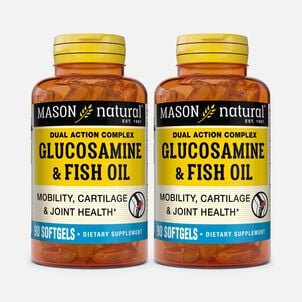
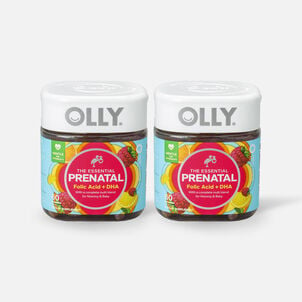
- Prenatal vitamins, glucosamine, and chondroitin are FSA and HSA eligible without a doctor’s recommendation.
Vitamins and supplements may or may not be eligible with a flexible spending account (FSA) or health savings account (HSA). It comes down to several factors.
Here’s which items qualify and which don’t, what paperwork you’ll need to make non-eligible items (like certain vitamins) eligible, and how FSA Store® simplifies the process.
Are Vitamins FSA Eligible?
It depends. Your FSA doesn’t cover most vitamins and supplements unless a doctor recommends them to treat a medical condition. The Internal Revenue Service (IRS) considers most daily multivitamins general health products, which means they aren't automatically covered. The same rule holds true for HSA funds.
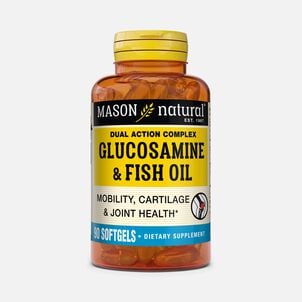
Exceptions include prenatal vitamins and glucosamine or chondroitin, which are eligible without a doctor’s recommendation. FSA Store® carries guaranteed-eligible options for both, along with educational resources to help you navigate the rest.
Why Most Vitamins Aren't Eligible
The IRS decides what counts as a qualifying medical expense for FSA coverage. Under 26 U.S. Code Section 213(d), "the term ‘medical care’ means amounts paid—for the diagnosis, cure, mitigation, treatment, or prevention of disease, or for the purpose of affecting any structure or function of the body."
That means nutritional supplements, vitamins, and similar products aren't deductible medical expenses (and therefore not FSA eligible) unless a medical practitioner recommends them to treat a specific condition with a Letter of Medical Necessity (LMN). They won’t qualify if you take them for general wellness.
An LMN is a short document from your provider that states the specific medical condition being treated, the vitamin or supplement they’re recommending, and how long treatment is expected to last.
Vitamins and Supplements Eligible Without an LMN
Two types of vitamins and supplements qualify as eligible expenses with consumer-directed healthcare accounts because they treat medical conditions: prenatal vitamins and glucosamine or chondroitin supplements.
Prenatal vitamins are FSA and HSA eligible because they help prevent congenital disabilities and support fetal development. Likewise, glucosamine or chondroitin supplements treat joint conditions such as arthritis, which is a specific medical condition.
Supplements Eligible With a Letter of Medical Necessity
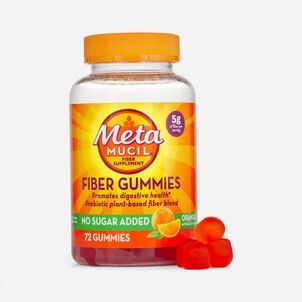
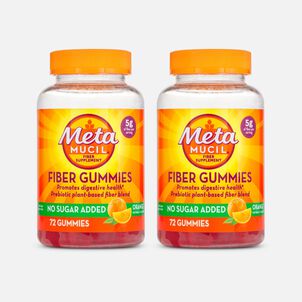
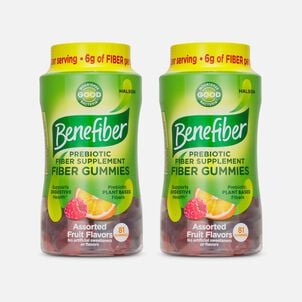
Some vitamins and supplements (think vitamin D, probiotics, or fish oil) can become eligible if your doctor determines you need them to treat a diagnosed condition. In these cases, you’ll need an LMN.
Note: An LMN isn't a guarantee of reimbursement. Your benefits administrator will review the letter and decide whether your plan will cover the expense. Some plans also have additional requirements beyond the IRS’s. If your LMN is approved, keep a copy on file with your purchase receipt in case your administrator asks for documentation later.
Quick Reference: Eligibility of Common Vitamins and Supplements
Here's a quick look at the eligibility of common vitamins and supplements. Remember that your benefits administrator always has the final say.
- Multivitamins: Eligible with an LMN
- Vitamin D: Eligible with an LMN
- Vitamin C: Eligible with an LMN
- Vitamin B12: Eligible with an LMN
- Probiotics: Eligible with an LMN
- Melatonin: Eligible with an LMN
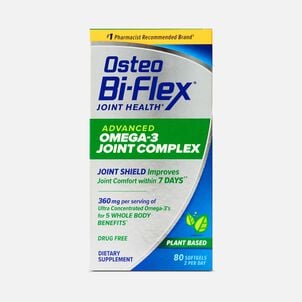
- Fish oil supplements: Eligible with an LMN
- Iron supplements: Eligible with an LMN
- Coenzyme Q10: Eligible with an LMN
- Prenatal vitamins: Eligible, no LMN needed
- Glucosamine and chondroitin: Eligible, no LMN needed
Don’t see your vitamin listed here? Check the full FSA Store® eligibility list, which covers 2,500+ products, before you buy.
How to Buy Eligible Vitamins With Your FSA
Buying FSA eligible vitamins comes down to 3 steps:
- If your doctor recommends a supplement to treat a specific condition, get a Letter of Medical Necessity and submit it to your benefits administrator before using FSA funds to cover the purchase.
- Use your FSA card to purchase the item. Or pay for the item upfront and reimburse yourself later with your FSA.
- Keep receipts for everything you buy—and your LMN, if your purchase requires one. Your administrator can request documentation at any time, even for purchases made months ago.
FSA Store® accepts all FSA and HSA cards, so we combine the simplicity of finding and buying eligible products with built-in industry expertise to help you use your benefits effectively.
Wrapping Up
Most vitamins and supplements aren’t tax-deductible medical expenses (with the exception of prenatal vitamins, glucosamine, and chondroitin). If you need them to treat a specific medical condition, contact your healthcare provider for assistance. They can provide an LMN if necessary so you can pay for the products using your FSA or HSA card.
Browse eligible vitamins and supplements at FSA Store® to get started.
FAQs
Are Vitamins HSA Eligible?
The same IRS rules that govern FSAs apply to HSAs. Eligibility for both is limited to qualified medical expenses defined under 26 U.S. Code Section 213(d).
That means most vitamins aren't automatically HSA eligible unless a doctor recommends them to treat a diagnosed condition and documents the recommendation with an LMN.
The exceptions are prenatal vitamins and glucosamine or chondroitin, which are eligible for HSA purchase without an LMN. The same exceptions apply to FSAs.
Are Supplements FSA Eligible?
Most dietary supplements, like most vitamins, are considered general health products rather than qualifying medical expenses. So they aren't automatically FSA eligible.
If a healthcare provider recommends a supplement to treat a diagnosed condition, an LMN can make it eligible, subject to your benefits administrator's final approval and any additional requirements under your plan.
Are Probiotics FSA Eligible?
Probiotics can become FSA eligible with an LMN from a healthcare provider explaining the condition being treated and how long treatment is expected to last. Without that documentation, most FSA plans consider probiotics a general wellness product rather than a medical expense. So they aren't automatically covered.
Are Multivitamins FSA Eligible?
Daily multivitamins are typically used for general health rather than to treat a diagnosed condition. So your FSA doesn’t automatically cover them.
An LMN can make a specific multivitamin eligible if the doctor recommends it to address a documented nutritional deficiency or another diagnosed medical condition. But you’ll still need your benefits administrator's approval.
Is Melatonin FSA Eligible?
Melatonin is considered a dietary supplement and is not automatically eligible as a medical expense, since it's typically used for general sleep support. It can become FSA eligible with an LMN from a licensed healthcare provider stating that it's recommended to treat insomnia or another diagnosed sleep-related condition.
References
Cornell Law School, Legal Information Institute. (n.d.). 26 U.S. Code Section 213(d): Definition of Medical Care.
Internal Revenue Service. (2026). Publication 502, Medical and Dental Expenses.
Internal Revenue Service. (2026). Publication 969, Health Savings Accounts and Other Tax-Favored Health Plans.
MedLine Plus. (n.d.) Folic acid and birth defect prevention.
National Institutes of Health, Office of Dietary Supplements. (2023). Dietary Supplements: What You Need to Know.