100% FSA ELIGIBLE
|
FREE SHIPPING $50+

Anyone who’s enrolled in a Flexible Spending Account (FSA) has probably asked: “What are common FSA eligible expenses?” Here’s the good news: a Flexible Spending Account (FSA) is one of the easiest ways to save on health costs you already have. Think copayments, coinsurance, deductibles, dental and vision care, prescriptions, and visits to providers like chiropractors or acupuncturists. The IRS also allows FSA funds for “a variety of medical products,” so the list goes well beyond doctor visits.
Because your FSA lets you pay using pre-tax dollars, you can effectively save 30% on average on eligible expenses*. For a full breakdown of the arithmetic, see our FSA Math™ article.
Key takeaways
The IRS sets the broad rules, but every FSA plan has its own specifics. When you enroll, you’ll receive a Summary Plan Description that spells out what your plan covers. If you’re unsure about a specific item, your FSA administrator or HR team can confirm. Here are five popular categories to get you started.
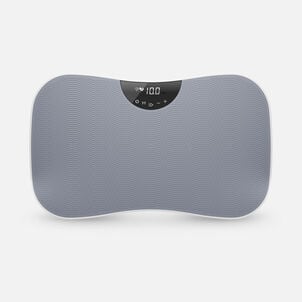
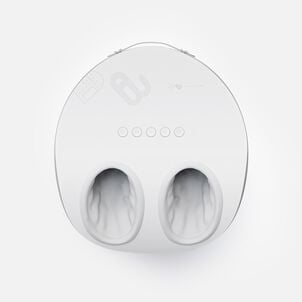
Aches and strains are a fact of life, and many pain relief products are FSA eligible. That includes oral pain relievers, topical creams and patches, heating pads, cold packs, supports or braces, and hi-tech therapeutic tools. Keeping a few go-to options at home means you’re ready when a sore back, tight shoulder, or tension headache shows up.
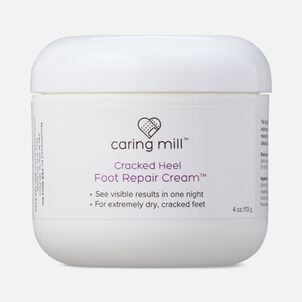
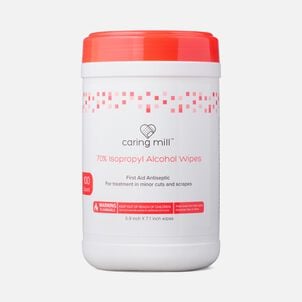
Great skin starts with healthy skin. Items that protect or treat your skin, like sunscreen, acne treatments, and lip balm with SPF, often qualify. Personal care essentials may be eligible too, including menstrual care products, oral care, foot care, eye and ear care, sexual health products, incontinence products, and some vitamins and supplements.
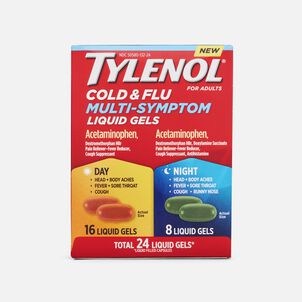
OTC medicines are among the most common FSA purchases. Since 2020, you no longer need a prescription, as IRS Publication 969 treats “over-the-counter medicine (whether or not prescribed)” as medical care. Allergy relief, cold and flu medicine, digestive aids, and pain relievers are everyday examples. Even if you buy them in small amounts throughout the year, those purchases add up to real savings.
Tracking your health at home helps you spot changes early and have better conversations with your provider. Many diagnostic products are FSA eligible, including blood pressure monitors, thermometers, pulse oximeters, ovulation and fertility monitors, and a range of at-home tests. They’re a smart one-time purchase that keeps paying off, and your FSA dollars cover it.
Virtual care has grown quickly, making appointments and ongoing care easier to reach from anywhere. You can see a provider from home or work, skip the commute, and avoid taking time off or arranging child care. For many people, it also means shorter waits and more affordable care.
That’s why we created Patiently™ by FSA & HSA Store®, our own telehealth service built around FSA eligibility. Patiently™ currently offers:
All prescription treatments require an online evaluation by a licensed provider, who decides whether a prescription is appropriate.
Our FSA Eligibility List® is the most comprehensive FSA, HSA, and HRA eligibility list available on the web. It’s regularly reviewed and updated by our expert compliance team, so you can search any product or service and find out what’s eligible and what’s not.
Important reminder: HRAs, FSAs, and other account types can vary by plan design. Always check with your HRA or FSA administrator to confirm that an expense is eligible under your individual plan.
Your FSA only helps if you use it. Check your balance, review your plan’s deadline, and ask whether it offers a carryover or grace period. Then put your remaining funds toward the things you’d buy anyway.
Planning ahead? Our handy FSA Spending Calculator™ helps you estimate your health spending for the year, so you can make an informed decision and take maximum advantage of your FSA. Just answer a few quick questions and see how much you could save.
An FSA is a smart way to take care of your health and your family while making care more affordable. From everyday essentials to virtual visits, you can use pre-tax dollars on the things you already need, and keep more of your paycheck in the process. Here’s to a healthier, happier year ahead.
Thank you for visiting the FSA Store® Learning Center. Don’t forget to follow us for more helpful tips on Facebook, Instagram, and X (formerly Twitter).
* Assumes average tax rates, including state, federal, and FICA taxes. For illustrative purposes only. Individual earnings may vary.
References